Agricultural organisations manage land, crops, livestock, labour, machinery, inputs, storage, production, and distribution. From commercial farms and livestock operations to food processors and agricultural suppliers, reliable information helps teams coordinate work and manage resources.
Obitrek develops technology systems that help agricultural organisations record activities, monitor resources, manage inventory, coordinate production, and understand their operations more clearly.
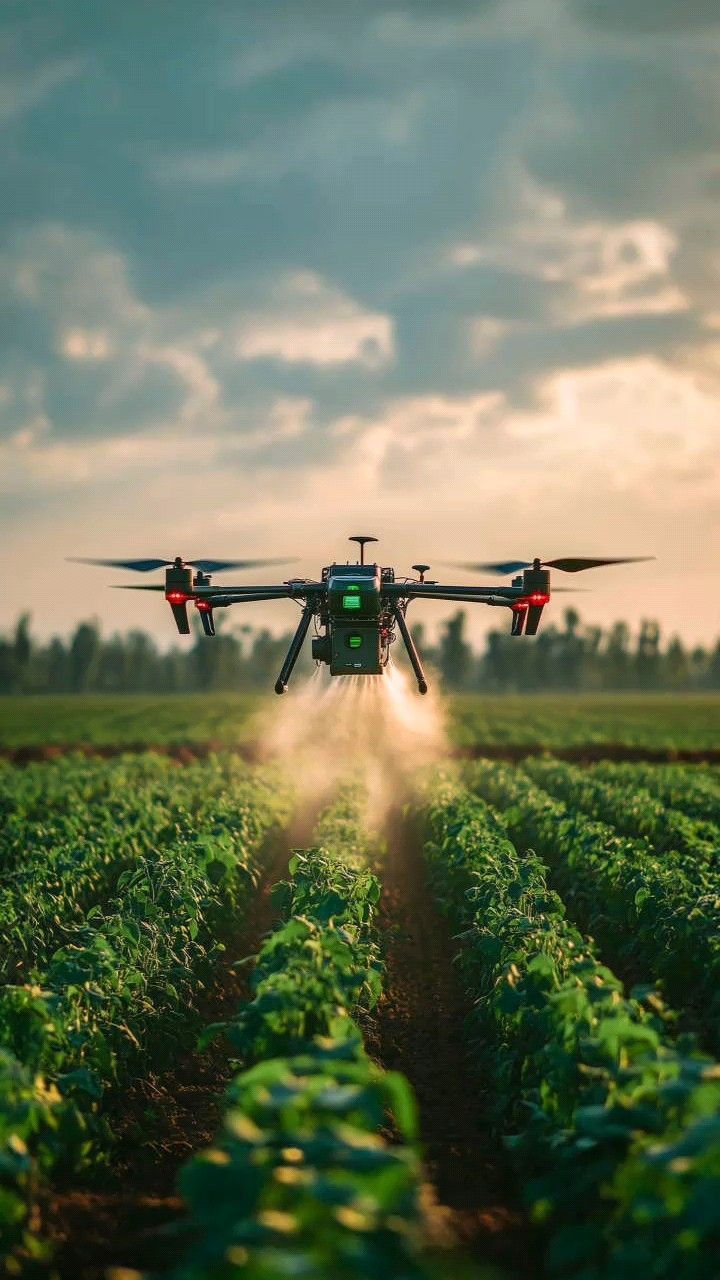
A farm may manage multiple fields, crops, planting schedules, irrigation activities, fertiliser applications, machinery, workers, and harvesting operations. Livestock operations may need to track animal records, feeding, health events, breeding, and movements.
Food producers also coordinate storage, processing, quality checks, orders, and delivery.
When records are incomplete or spread across notebooks and spreadsheets, it becomes harder to compare performance, trace resource use, and plan upcoming activities.
Organisations in this sector face different challenges, but several recurring problems can make operations more difficult than they need to be.
Fragmented field, livestock, or production records.
A related capability Enterprise software →
Difficulty tracking input purchases and consumption.
A related capability Enterprise software →
Limited visibility into equipment and maintenance activity.
A related capability Enterprise software →
Inconsistent harvest, storage, or stock information.
A related capability Enterprise software →
Difficulty tracing batches and movements through the supply chain.
A related capability Enterprise software →
Manual preparation of production and expenditure reports.
A related capability Dashboards →
We design systems around the organisation's operational requirements. A solution may be a standalone application, an integration, an automated workflow, a reporting environment, or a combination of these.
Record fields, crops, planting activities, input applications, labour tasks, harvests, and associated costs.
Benefit Better-organised farm records and clearer visibility into activities across fields and production cycles.
Maintain animal records, identification, breeding information, health events, feeding schedules, and movements, depending on the operation.
Benefit Easier access to livestock records and more consistent monitoring of routine activities.
Track seed, fertiliser, chemicals, animal feed, fuel, spare parts, equipment, and other resources.
Benefit Improved stock visibility, purchasing coordination, and resource accountability.
Record harvest quantities, storage movements, processing stages, batch identifiers, and dispatch information.
Benefit Better visibility into production volumes and improved traceability where the necessary records are captured.
Combine suitable information on production, inputs, labour, inventory, and expenditure into operational reports.
Benefit Better-informed planning and a clearer understanding of production performance and costs.
Consider a commercial crop farm. The farm management system records planting activities and input applications. Inventory records track available fertiliser and seed. Harvest records capture quantities collected, while storage and dispatch records track where the produce goes next. Management reports combine these records to help compare production activity and resource use.
Weather stations, soil sensors, GPS equipment, and other devices can be integrated when compatible and appropriate. The system should not assume such equipment is already available.
Possible applications include scheduled task reminders, automated reports, stock alerts, document processing, and analysis of historical production records. More advanced crop monitoring or predictive models require suitable data, sensors, and validation.
Every implementation has different objectives. These are intended benefits, not guaranteed outcomes.
More complete operational records.
Better visibility into agricultural resources.
Improved inventory and purchasing coordination.
Easier tracking of production activities.
Better-organised storage and distribution records.
More informed operational planning.
A foundation for expanding to additional farms or facilities.
These are intended benefits, not guaranteed outcomes. Obitrek would define suitable objectives with the organisation before implementation.
We begin with your production model and the information you need to manage it. The system is then designed around the realities of your farm or food operation, including connectivity, available devices, staff workflows, and reporting requirements.
The starting point is understanding your operation. Obitrek turns operational requirements into practical technology systems designed around your needs.
Related capabilities